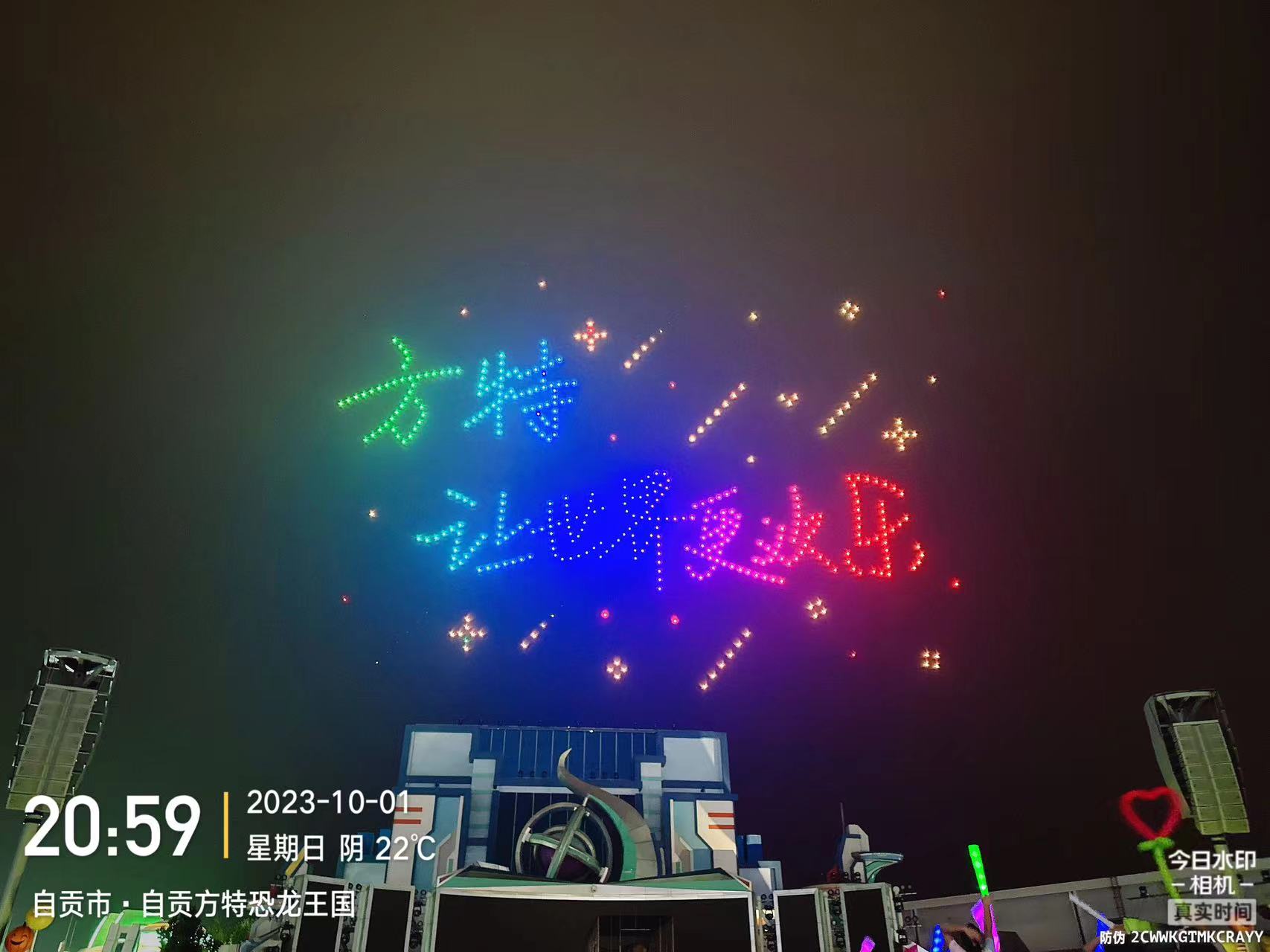
Best fit: theme parks, resorts, tourism streets, waterfront destinations and activity companies that need weekly or seasonal performances instead of a one-time launch show.
1. Start with a residency calendar, not a single-show quote
A residency project should define the operating calendar first: weekly performances, holiday peaks, weather backup dates, rehearsal windows and sponsor commitments. The fleet, batteries, charging workflow and maintenance team are then sized against the number of performances per month.
Set show nights, rehearsal slots, backup dates and a program rotation plan.
Build reusable opening, tourism, brand, holiday and sponsor scenes instead of one disposable animation.
Package logo scenes, sponsor screens, VIP nights, private bookings and seasonal programs.
2. How the fleet business model differs from one-off service
One-off shows mainly price aircraft, animation and event labor. A residency model must also price utilization, spare capacity, battery cycles, charging time, storage, maintenance shifts, software updates and program revisions. The commercial question is how many booked nights each aircraft, battery set and program can support.
- Keep a spare-aircraft and spare-battery policy for scheduled performances.
- Track flight hours, battery cycles, repairs, firmware and pre-show checks.
- Separate standard programs from paid custom scenes and sponsor scenes.
- Define who owns the program library and who approves brand artwork.
3. Sponsor screens and program-library reuse
A recurring venue can sell several layers of value: a short sponsor logo scene, a branded transition, a full themed sequence, a holiday package or a private performance. This creates a sponsor-screen inventory without changing the core flight system every week.
The program library should be organized by duration, aircraft count, launch site, music rights, revision status and sponsor restrictions. That structure makes it easier for an operator to quote a new client without rebuilding the entire show.
4. Maintenance and training are part of the residency product
Weekly shows put more pressure on batteries, propellers, motors, charging equipment and transport cases than a single event. The delivery plan should include pilot training, show-control training, pre-flight inspection, battery records, spare parts, remote troubleshooting and a defined after-sales response time.
For a new operator, the supplier should clarify first-show support, refresher training, program handover, maintenance documentation and the process for replacing a failed aircraft before a scheduled performance.
5. When to use revenue share
A venue may prefer a base operating fee plus a share linked to tickets, private bookings, sponsor revenue or visitor campaigns. Revenue share works best when the parties define the measurement window, minimum guarantee, marketing responsibilities, cancellation rules and who pays for extra program production.
Plan a recurring theme park or tourism drone show
Send the venue type, performance frequency, expected aircraft count, program themes, sponsor plan and existing pilot capability. We can separate fleet procurement, program-library production, training, maintenance and residency cooperation.